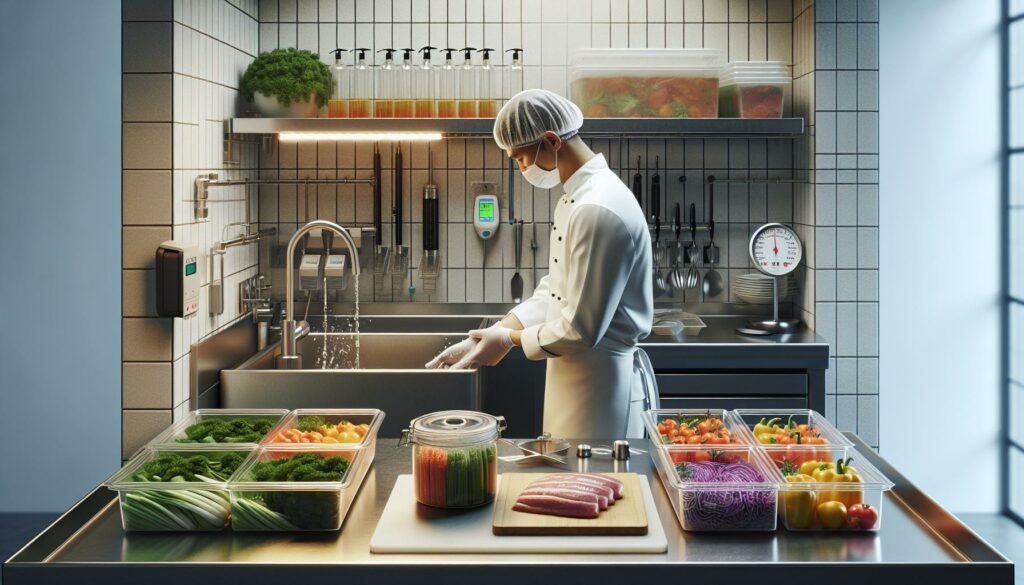

Why Food Safety Hazards Matter More Than You Think
Picture this: You’re at a summer barbecue, the grill’s sizzling, laughter fills the air, and you bite into a juicy burger. Hours later, your stomach twists. You’re not alone—every year, food safety hazards send millions to the bathroom, the doctor, or worse. If you’ve ever spent a night hugging the toilet after a “harmless” meal, you know food safety hazards aren’t just a distant threat. They’re right there, hiding in plain sight, waiting for a chance to strike.
What Are Food Safety Hazards?
Food safety hazards are anything in food that can make you sick or cause injury. They fall into three main categories: biological, chemical, and physical. Each one has its own sneaky ways of ruining your day—or your health. Let’s break it down.
Biological Hazards: The Invisible Invaders
These are the germs, bacteria, viruses, and parasites that love to crash your dinner party. Salmonella, E. coli, and norovirus are the usual suspects. They thrive in undercooked meat, unwashed produce, and even on your hands. One slip—like skipping the handwash after handling raw chicken—and you’re rolling the dice with your gut.
- Salmonella: Found in raw eggs, poultry, and sometimes even peanut butter. It causes fever, cramps, and diarrhea.
- E. coli: Lurks in undercooked beef and contaminated produce. Some strains can cause kidney failure.
- Norovirus: The “stomach flu” that spreads like wildfire, especially in close quarters.
Here’s the part nobody tells you: Most foodborne illnesses aren’t from restaurants. They start at home, with a forgotten handwash or a cutting board used for both chicken and salad.
Chemical Hazards: The Unseen Threats
Not all food safety hazards are alive. Some are chemical. Think cleaning products, pesticides, or even allergens like peanuts and shellfish. A splash of bleach in the wrong place, or a peanut crumb in a “nut-free” cookie, can send someone to the ER.
- Pesticides: Residues on fruits and veggies can build up if you don’t wash them well.
- Cleaning agents: If you store chemicals near food, accidents happen. One mix-up can be dangerous.
- Allergens: For some, even a trace can trigger a life-threatening reaction.
If you’ve ever had to read every label twice because of a food allergy, you know the anxiety. One mistake can change everything.
Physical Hazards: The Obvious (and Not-So-Obvious) Dangers
Physical food safety hazards are the things you can see—or sometimes miss. Broken glass, metal shavings, or even a stray piece of plastic can end up in your food. Ever bitten into a sandwich and crunched down on something that shouldn’t be there? That’s a physical hazard, and it can cause real harm.
- Glass shards: From broken jars or bottles.
- Metal fragments: From machinery or utensils.
- Plastic pieces: From packaging or kitchen tools.
Here’s why this matters: Even a tiny piece can cause choking, cuts, or worse. It’s not just gross—it’s dangerous.
Who Needs to Worry About Food Safety Hazards?
If you eat, you’re at risk. But some people face higher stakes. Kids, pregnant women, older adults, and anyone with a weakened immune system are more likely to get seriously sick from food safety hazards. If you’re cooking for these groups, extra care isn’t just nice—it’s necessary.
This article is for anyone who wants to keep themselves and their loved ones safe. If you think food safety hazards are only a problem for restaurants or food factories, think again. Your kitchen is ground zero.
Common Mistakes That Invite Food Safety Hazards
We all slip up. Maybe you’ve thawed meat on the counter, or left leftovers out a little too long. I once used the same knife for raw chicken and salad—never again. Here are the most common ways food safety hazards sneak in:
- Not washing hands before cooking or eating
- Using the same cutting board for raw meat and veggies
- Leaving food out at room temperature for hours
- Undercooking meat, eggs, or seafood
- Ignoring expiration dates
- Storing chemicals near food
- Not washing fruits and vegetables
If you’ve ever done any of these, you’re not alone. The good news? Small changes make a big difference.
How to Protect Yourself from Food Safety Hazards
Let’s get practical. Here’s what you can do right now to cut your risk of food safety hazards:
- Wash your hands with soap and water for at least 20 seconds before and after handling food.
- Keep raw and cooked foods separate. Use different cutting boards and utensils.
- Cook foods to safe temperatures. Use a food thermometer. Chicken should hit 165°F (74°C), ground beef 160°F (71°C).
- Refrigerate leftovers within two hours. In hot weather, cut that to one hour.
- Wash produce under running water—even if you plan to peel it.
- Store chemicals away from food. Never reuse food containers for cleaning products.
- Read labels if you have allergies. When in doubt, skip it.
Here’s the part nobody tells you: Most food safety hazards are easy to avoid if you build good habits. It’s not about being perfect. It’s about being aware.
What Happens If You Ignore Food Safety Hazards?
Let’s be real. Most of us have rolled the dice with leftovers or questionable takeout. Sometimes you get lucky. Sometimes you don’t. The CDC estimates that food safety hazards cause 48 million illnesses, 128,000 hospitalizations, and 3,000 deaths in the U.S. every year. That’s not just a statistic—it’s your neighbor, your friend, maybe even you.
If you’ve ever thought, “It won’t happen to me,” remember: Food safety hazards don’t care how careful you usually are. One mistake is all it takes.
Next Steps: Make Food Safety a Habit
Food safety hazards aren’t going away. But you can outsmart them. Start with one habit—maybe washing your hands more often, or using a thermometer. Teach your kids. Share what you learn. If you’ve ever felt overwhelmed by all the rules, focus on the basics. Small steps add up.
Here’s the truth: Food safety hazards are everyone’s problem, but the solutions are in your hands. Literally. Stay sharp, stay safe, and enjoy your next meal with a little more peace of mind.