
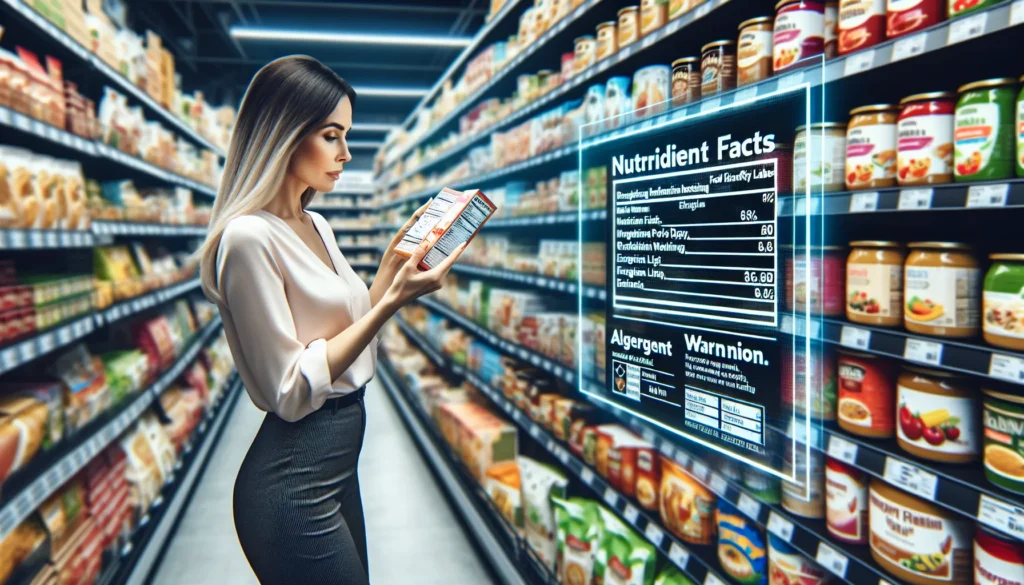
Picture this: You’re standing in the grocery store, squinting at a package of chicken, trying to decode the tiny print on the label. “Sell by,” “Use by,” “Best if used by”—what do these food safety labels actually mean? If you’ve ever tossed out perfectly good yogurt because the date made you nervous, you’re not alone. Food safety labels confuse almost everyone, and the stakes are higher than you might think. Wasted food costs the average American family over $1,500 a year, and much of that waste comes from misunderstanding these labels. Let’s break it down.
Why Food Safety Labels Matter
Food safety labels aren’t just stickers—they’re your first line of defense against foodborne illness. They also help you avoid throwing away food that’s still safe to eat. If you’ve ever wondered whether that carton of eggs is still good, you know the anxiety these labels can cause. Here’s the part nobody tells you: Most food safety labels aren’t about safety at all. They’re about quality. That’s right—those dates are usually set by manufacturers to tell you when the food will taste its best, not when it will make you sick.
Decoding the Most Common Food Safety Labels
Let’s get specific. Here are the food safety labels you’ll see most often, and what they really mean:
- Sell By: This date tells the store how long to display the product. It’s not a safety deadline for you. You can usually eat the food for days or even weeks after this date, depending on the item.
- Use By: This is the manufacturer’s estimate of when the product will be at peak quality. It’s not a hard stop for safety, except for infant formula, which should never be used after the “use by” date.
- Best if Used By/Before: This label is all about flavor and texture. The food won’t suddenly go bad after this date, but it might not taste as fresh.
- Freeze By: This tells you when to freeze the product for best quality. It’s a suggestion, not a rule.
Here’s why this matters: The USDA says that except for baby formula, food safety labels are about quality, not safety. If you’re tossing food the day after the “best by” date, you’re probably wasting money.
How to Tell If Food Is Still Safe
Let’s be honest—no label can replace your senses. If you’re unsure about food safety labels, use your eyes, nose, and common sense. If something smells off, looks weird, or feels slimy, don’t eat it. But if it looks, smells, and tastes normal, it’s probably fine, even if the date has passed.
- Milk: Smell it. If it’s sour, toss it. If not, you’re good.
- Eggs: Place them in a bowl of water. If they sink, they’re fresh. If they float, they’re old.
- Bread: Check for mold. If you see any, throw it out. If not, it’s safe.
Here’s a tip: Keep your fridge at or below 40°F (4°C) and your freezer at 0°F (-18°C). Cold temperatures slow down bacteria and help food last longer, no matter what the label says.
Who Needs to Pay Extra Attention?
If you’re pregnant, elderly, very young, or have a weakened immune system, food safety labels matter more. For you, err on the side of caution. For everyone else, you can trust your senses and a little science. If you’ve ever felt guilty about eating yogurt a week past the date, you’re not alone. Most people do it—and most of the time, it’s perfectly safe.
What the Experts Say
The FDA and USDA agree: Most food safety labels are about quality, not safety. The only exception is infant formula. For everything else, the dates are suggestions. The Harvard Food Law and Policy Clinic found that 90% of Americans misinterpret food safety labels, leading to billions of pounds of wasted food every year. That’s not just bad for your wallet—it’s bad for the planet.
How to Use Food Safety Labels to Your Advantage
Here’s the part nobody tells you: You can use food safety labels as a guide, not a rulebook. Here’s how:
- Plan meals around what’s closest to its date. This helps you use up food before it loses quality.
- Freeze food before the date passes. Freezing stops the clock on spoilage.
- Organize your fridge. Put older items in front so you use them first.
- Trust your senses. If it looks, smells, and tastes fine, it probably is.
If you’ve ever felt overwhelmed by all the dates, you’re not alone. The good news? You can take control. Start by checking your fridge right now. What’s about to “expire”? Smell it, look at it, and decide for yourself. You might be surprised by how much food you can save.
What Needs to Change?
Here’s a secret: The U.S. doesn’t have a standardized system for food safety labels (except for baby formula). That means every company does it differently. Some experts want a single, clear label that tells you when food is no longer safe. Until that happens, you’ll need to rely on your senses and a little know-how.
Common Mistakes and Lessons Learned
I once threw out a whole bag of spinach because it was a day past the “best by” date. Later, I learned it was still good for another week. If you’ve made the same mistake, you’re in good company. The lesson? Don’t let food safety labels scare you. Use them as a tool, not a rule.
Who This Is For (And Who It’s Not)
If you want to save money, waste less, and feel confident about what you eat, understanding food safety labels is for you. If you’re someone who needs strict rules or has a health condition that makes foodborne illness risky, stick to the dates. For everyone else, a little knowledge goes a long way.
Next Steps
Next time you’re in the store, take a closer look at those food safety labels. Ask yourself: Is this about safety or quality? Trust your senses, organize your fridge, and don’t be afraid to eat food that’s a little past its date. You’ll save money, waste less, and maybe even enjoy your food more. If you’ve ever felt confused by food safety labels, now you know what to do.